MOSCOW — A ceasefire is supposed to ease tensions. But according to Russia, it may be doing the opposite.
The Security Council of Russia has warned that the United States and Israel could be using ongoing ceasefire negotiations as a strategic window to prepare a potential military operation against Iran.
The statement, reported by TASS on Wednesday (April 15, 2026), highlights growing skepticism in Moscow over the true intent behind current diplomatic efforts in the Middle East.
“The United States and Israel could use peace negotiations to prepare for ground operations against Iran, while the Pentagon continues to reinforce its military presence in the region,” the statement said.
Military Presence Expands
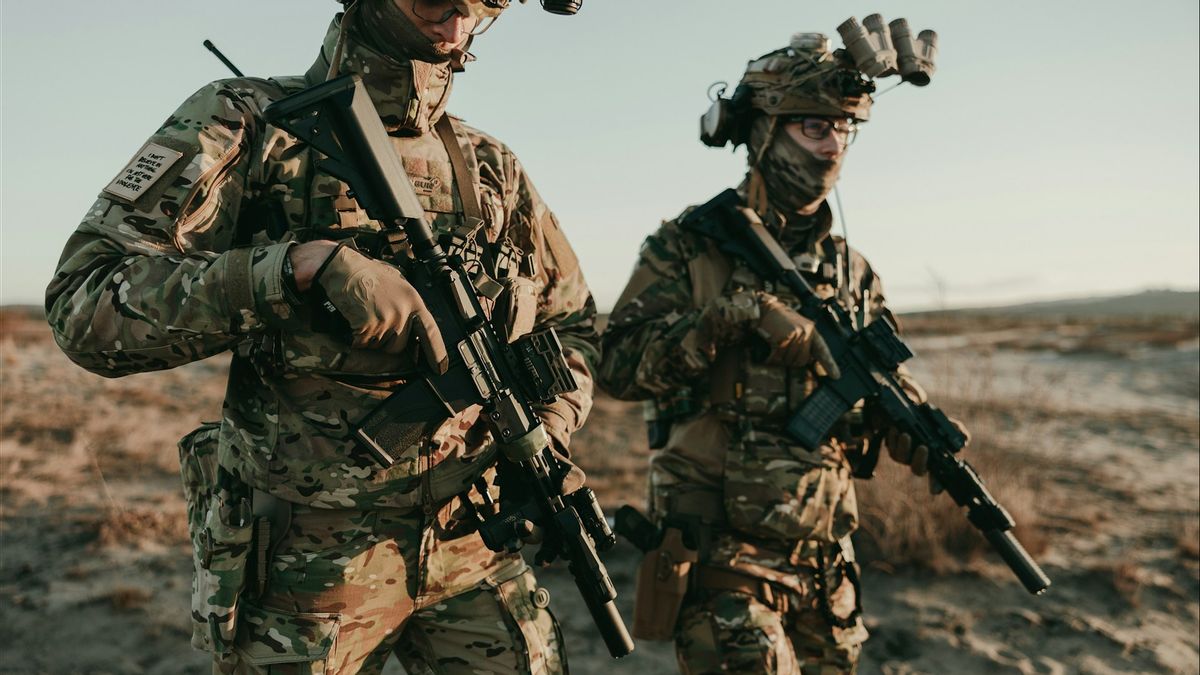
Russia pointed to a significant buildup of US military forces across the region. Estimates suggest that around 50,000 American troops are currently deployed, including elite units such as marines, airborne forces, and special operations personnel.
The air presence has also intensified, with approximately 500 military aircraft positioned across multiple bases—more than half categorized as tactical assets.
At sea, more than 20 warships have been deployed, including the aircraft carrier USS George H.W. Bush and the amphibious assault ship USS Boxer, carrying roughly 2,500 marines.
The buildup is reportedly ongoing, signaling that tensions in the region remain far from resolved.
Ceasefire Nears Critical Point
The current two-week ceasefire between Washington and Tehran is set to expire on April 22, 2026.
While several reports indicate both sides have reached a preliminary understanding to extend the truce, conditions on the ground remain fragile. A maritime blockade policy targeting Iran—announced by US President Donald Trump—along with Tehran’s response, has raised doubts about whether the ceasefire can hold.
Trump himself hinted at possible developments in the near term.
“I think you’re going to see something very big over the next two days,” he said, without elaborating further.
Why This Matters
If tensions escalate into open conflict, the consequences would extend far beyond the Middle East. Global energy markets, shipping routes, and economic stability could all be affected, particularly given Iran’s strategic position in regional geopolitics.
The situation underscores a familiar pattern: diplomacy and military positioning unfolding simultaneously—creating uncertainty over whether negotiations are genuinely aimed at de-escalation or simply buying time.
A Region on Edge
Russia’s warning reinforces the notion that the Middle East is entering another highly sensitive phase.
Diplomatic channels remain open, but parallel military escalation continues to raise the stakes. In such conditions, even a small miscalculation could trigger a broader conflict with global repercussions.
Author: Faisal Kusuma
#KiniMediaJakarta #KiniMedia #KiniNews #GlobalNews #Russia #UnitedStates #Israel #Iran #Geopolitics #MiddleEast





Tinggalkan Balasan