Tensions in the Middle East are beginning to ease as a 10-day ceasefire between Hezbollah and Israel officially takes effect, offering a temporary pause in a conflict that has weighed heavily on regional stability and global markets.
The development comes alongside renewed diplomatic signals from Washington. U.S. President Donald Trump has expressed optimism about a potential agreement with Iran, suggesting that further negotiations could take place in the near future. While these signals point toward de-escalation, the broader situation remains fragile.
The conflict, which escalated in late February and expanded into Lebanon in early March, has not only reshaped the regional security landscape but also sent ripples through the global economy. Oil prices have experienced volatility, and concerns over inflation have resurfaced as supply chain risks intensified.
In Beirut, the ceasefire has been welcomed with visible relief. Residents marked the moment with celebrations, reflecting a collective hope for stability after months of uncertainty. Yet beyond the region, financial markets remain cautious, closely monitoring whether this pause will translate into a more durable peace.
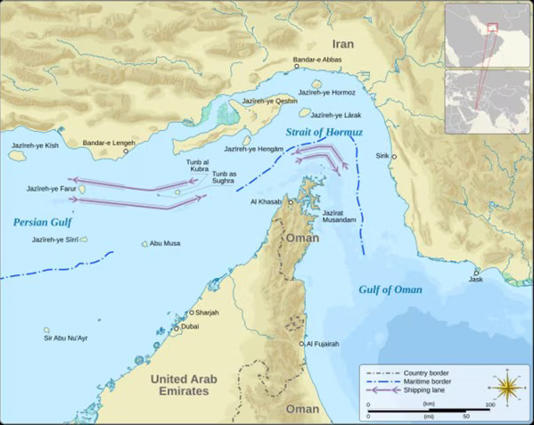
At the center of global concern is the Strait of Hormuz, a strategic maritime chokepoint through which approximately 20 percent of the world’s oil supply is transported. Any disruption in this corridor has immediate and far-reaching consequences, from rising energy prices to increased transportation costs and broader inflationary pressure.
For energy-dependent economies, the implications are particularly significant. Fluctuations in oil supply can quickly lead to higher fuel prices, increased costs of goods and services, and mounting fiscal pressure on governments attempting to stabilize domestic markets. In this sense, a geopolitical conflict thousands of kilometers away can have direct consequences for everyday economic life.
Despite the ceasefire, major points of contention remain unresolved. The United States has proposed a long-term suspension of Iran’s nuclear activities—reportedly up to 20 years—while Iran is said to favor a much shorter timeframe of three to five years. This gap underscores the complexity of ongoing negotiations and the challenges in reaching a comprehensive agreement.
Still, early signs of compromise have emerged. Iran has indicated a willingness to transfer part of its enriched uranium abroad, while the United States is reportedly considering limited sanctions relief. These developments suggest that while a breakthrough is possible, it will depend heavily on sustained diplomatic engagement and mutual trust.
The outcome of these negotiations carries significant global implications. A successful agreement could stabilize energy markets, reduce inflationary pressures, and restore a degree of confidence to the global economy. On the other hand, a breakdown in talks could reignite tensions, potentially triggering another surge in oil prices and increasing the risk of a broader regional conflict.
For now, the ceasefire represents a critical but uncertain turning point. It offers a window of opportunity for diplomacy, yet also highlights how quickly conditions can shift. In an interconnected global system, geopolitical developments in one region can rapidly influence markets, policies, and daily life across the world.
Whether this moment evolves into lasting stability or proves to be a temporary pause remains to be seen. What is clear, however, is that the stakes extend far beyond the Middle East—touching the foundations of the global economy itself.
Author: Faisal Kusuma
#KiniMediaJakarta #KiniMedia #KiniMusik #MiddleEast #Geopolitics #OilPrices #GlobalEconomy





Tinggalkan Balasan