Author: Faisal Kusuma
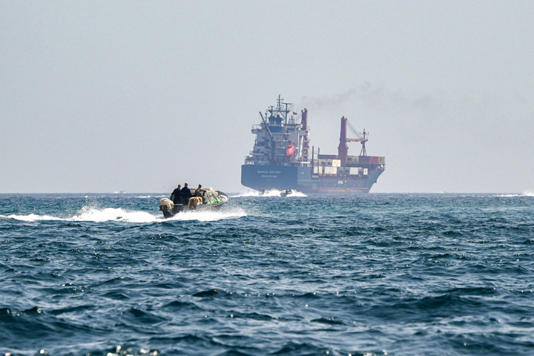
Maritime traffic through the Strait of Hormuz is nearing a standstill as tensions between Iran and the United States intensify, disrupting one of the world’s most critical energy corridors and heightening risks to the global economy.
According to Bloomberg, as of Sunday morning (April 26, 2026), shipping activity in the strait has dropped to minimal levels. Only one small cargo vessel was seen exiting the Persian Gulf, while a single small tanker entered from the opposite direction—an unusually low volume that signals a near paralysis in energy distribution from the region.
The disruption follows a sharp escalation in military tensions over the past week. Iranian naval forces have reportedly fired on several vessels in the area, while U.S. forces have intercepted ships linked to Tehran. The standoff has effectively halted commercial shipping, as operators avoid the increasingly volatile waters.
Diplomatic efforts have yet to produce a breakthrough. U.S. President Donald Trump recently canceled a planned visit by his envoy to Islamabad, which had been expected to open a pathway for negotiations.
“Iran has offered many things, but not enough,” Trump said.
Iranian President Masoud Pezeshkian responded by rejecting any talks under pressure, emphasizing that trust cannot be rebuilt without an end to what he described as hostile actions.
Despite the blockade, Iran continues loading supertankers with millions of barrels of crude oil. However, shipments remain stranded due to the closure of export routes. Satellite imagery shows at least two large tankers docked at Kharg Island, with around 19 additional vessels waiting offshore. Similar congestion has been observed near Chabahar, close to the Pakistan border.
At the same time, the U.S. Navy has intensified monitoring operations across the Gulf of Oman and the Arabian Sea. One recent interception involved the sanctioned vessel M/V Sevan, while other ships have reportedly been turned back or subjected to inspections.
Economic pressure on Iran is also increasing. The United States has imposed sanctions on Hengli Petrochemical, one of China’s largest private refiners, over alleged purchases of Iranian oil—part of a broader effort to curb Tehran’s energy exports.
Over the past 48 hours, vessel movement through the strait has remained extremely limited. Only a small number of ships—including oil tankers, an LPG carrier, bulk carriers, and coastal cargo vessels—have passed through. Most commercial vessels are now anchored in Omani waters, awaiting clarity before resuming transit.
The implications of this disruption are significant. The Strait of Hormuz carries approximately 20 percent of the world’s oil and gas supply, making it one of the most vital chokepoints in the global energy system. Any prolonged blockage could trigger a sharp rise in oil prices, increase inflationary pressures, and disrupt supply chains worldwide.
For energy-importing nations, including Indonesia, the impact could be immediate. Rising global oil prices often translate into higher domestic fuel costs, increased logistics expenses, and broader economic pressure on households and government budgets.
The near shutdown of the Strait of Hormuz underscores how vulnerable global energy supply chains are to geopolitical conflict. As long as tensions between Iran and the United States remain unresolved, uncertainty will continue to weigh on both energy markets and the global economy.
For now, the world is watching closely—hoping that diplomatic efforts can reopen this vital route before the consequences extend further into everyday economic life.
#KiniMediaJakarta #KiniMedia #KiniMusik #StraitOfHormuz #Geopolitics #GlobalEconomy #OilPrices #EnergyCrisis





Tinggalkan Balasan