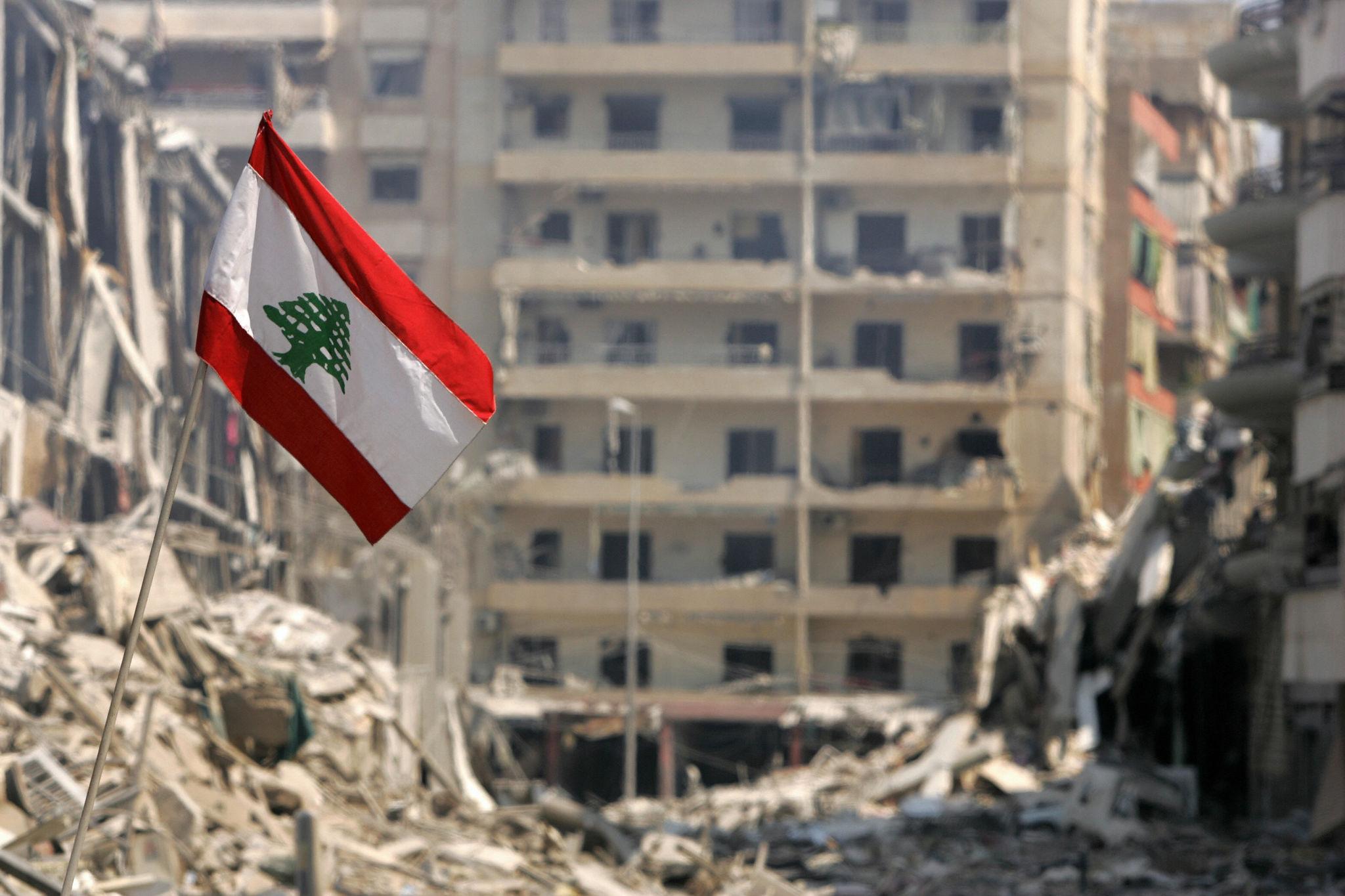
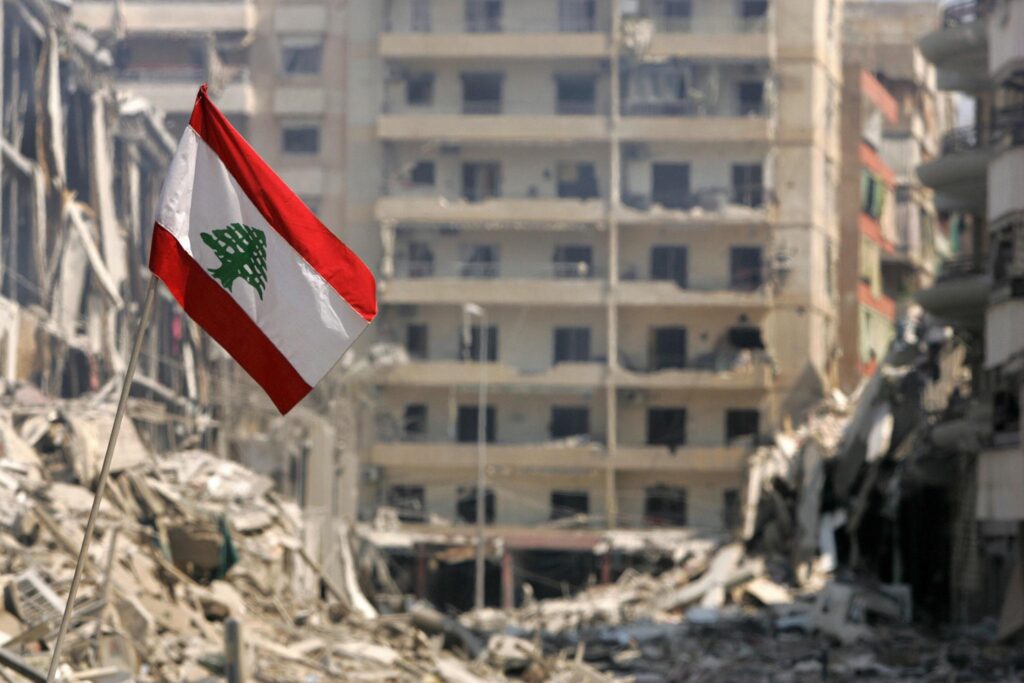
BEIRUT — The government of Lebanon fears the country could be drawn into escalating tensions between Iran and the United States, as regional instability once again raises the risk of spillover conflict.
Lebanese Foreign Minister Youssef Raggi warned that Israel could launch broader strikes if hostilities intensify, potentially targeting critical infrastructure such as airports. He said Beirut is pursuing diplomatic channels to prevent civilian facilities from becoming military targets.
The remarks come amid a reported increase in U.S. military presence in the Middle East. President Donald Trump has signaled the possibility of military action against Iran should negotiations over Tehran’s nuclear program fail. Iranian officials have responded with warnings of strong retaliation, raising concerns of a wider regional confrontation.
Tensions deepened further after Washington ordered non-essential personnel to depart from the U.S. Embassy in Beirut — a move widely interpreted as an indication that security risks are being taken seriously rather than viewed as mere political rhetoric.
A Fragile Internal Balance
Domestically, Beirut faces a complex strategic dilemma. The government is urging Hezbollah to exercise restraint and avoid drawing Lebanon into open conflict. Officials privately acknowledge fears of a cascading scenario: a U.S. strike on Iran, retaliatory action by Hezbollah against Israel, followed by large-scale Israeli military operations inside Lebanon.
Complicating matters, Israel has continued conducting strikes inside Lebanese territory despite a ceasefire agreed in November 2024. Recent attacks reportedly targeting Hezbollah command infrastructure underscore the fragility of the current calm.
At the same time, the Lebanese government has reiterated its commitment to implementing disarmament measures concerning Hezbollah, particularly south of the Litani River. However, Israeli officials argue that these efforts remain insufficient — a position that could be used to justify unilateral military action.
Regional Stakes and Economic Risks
Lebanon now finds itself at a critical crossroads: preserving sovereignty, managing the influence of a powerful non-state actor, and preventing the country from becoming a proxy battleground in a broader geopolitical struggle.
Should escalation materialize, the consequences would extend beyond strategic calculations. Lebanon’s already fragile economy and civilian population would face significant risks, adding to years of political instability and financial crisis.
In a region shaped by decades of cross-border conflict, even a limited confrontation could rapidly expand, with implications far beyond Lebanon’s borders.
Author: Faisal / FKY
#KiniMediaJakarta #KiniMedia #KiniNews #Lebanon #Iran #UnitedStates #Israel #Hezbollah #MiddleEast #Geopolitics





Tinggalkan Balasan